Introduction
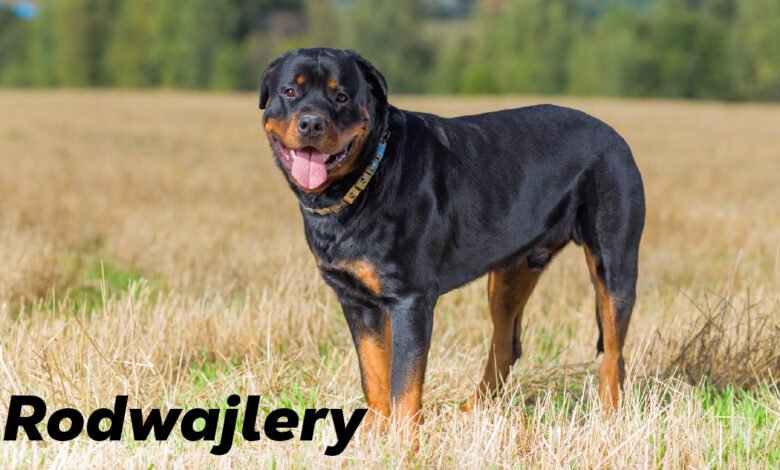
Rodwajlery, known internationally as Rottweilers, are powerful, loyal, and intelligent working dogs that have earned worldwide respect for their strength and devotion. The word “rodwajlery” is the Polish spelling of the German breed name Rottweiler, and in Poland, many people search online using terms like psy rodwajlery, rodwajlery szczeniaki, rodwajlery cena, and rodwajlery charakter to learn more about these impressive dogs. Whether someone is looking for a puppy, checking the price, researching temperament, or wondering if this breed is safe for families, rodwajlery continue to attract attention because of their reputation as confident guardians and affectionate companions. In this complete guide, you will discover everything about rodwajlery, including their ancient history, physical characteristics, personality, training needs, health concerns, costs, myths, and whether they are suitable for family life. By the end, you will clearly understand what makes rodwajlery such a respected and sometimes misunderstood breed.
History and Origin of Rodwajlery
Roman Empire Roots
The history of rodwajlery stretches back more than 2,000 years to the Roman Empire, where their ancestors were used as drover dogs. Roman soldiers relied on strong, mastiff-type dogs to herd cattle across long distances while marching through Europe. These dogs protected livestock, guarded camps, and ensured a steady food supply for troops. Their endurance, courage, and physical power made them essential companions during military expansion. Over time, these Roman dogs settled in parts of what is now Germany, where they were bred with local working dogs, gradually shaping the foundation of the modern rodwajlery breed.
The Butcher’s Dog of Rottweil
As Roman influence faded, the breed developed further in the German town of Rottweil. There, rodwajlery became known as “Rottweiler Metzgerhund,” which translates to “Butcher’s Dog of Rottweil.” Butchers used these dogs to herd cattle into town and pull carts loaded with meat. They were also trusted to guard money pouches tied around their necks, protecting their owners from theft. This working history explains why rodwajlery are strong, reliable, and naturally protective even today. Their reputation as hardworking and trustworthy companions began during this period and has remained consistent for centuries.
Decline and Revival
In the 19th century, the industrial revolution reduced the need for cattle-driving dogs because rail transport replaced herding routes. As a result, rodwajlery numbers declined sharply and the breed nearly disappeared. However, their intelligence and courage gave them a second chance in the early 1900s when they were recognized for police and military service. In 1921, the Allgemeiner Deutscher Rottweiler Klub (ADRK) was formed to preserve the breed standard and ensure responsible breeding. This revival secured the future of rodwajlery and established them as one of the world’s leading working breeds.
Physical Characteristics of Rodwajlery
Size and Build
Rodwajlery are medium-to-large dogs with a powerful and muscular build. Males typically stand between 61–69 cm (24–27 inches) tall and weigh 50–60 kg (110–132 pounds), while females are slightly smaller at 56–63 cm (22–25 inches) and 35–48 kg (77–105 pounds). Their broad chest, solid frame, and strong legs reflect their history as working and guard dogs.
Coat and Color
Rodwajlery have a short, dense double coat that provides protection against different weather conditions. Their coat is always black with clearly defined rust or tan markings above the eyes, on the muzzle, chest, and legs. They shed moderately throughout the year, with heavier shedding during seasonal changes.
Distinctive Features
A rodwajlery’s broad head, strong jaw, and confident expression give them a serious yet intelligent appearance. Traditionally, tails were docked in some countries, but natural tails are now common in many regions. Their overall posture communicates strength and calm authority.
Quick Reference Table
| Feature | Rodwajlery Standard |
|---|---|
| Height (Male) | 61–69 cm |
| Height (Female) | 56–63 cm |
| Weight Range | 35–60 kg |
| Coat | Short, black with rust markings |
| Life Expectancy | 8–10 years |
Rodwajlery Temperament and Personality
Rodwajlery are widely respected for their balanced temperament, strong character, and deep emotional loyalty toward their families. Understanding the true personality of rodwajlery is extremely important because this breed is often misunderstood due to its strong build and serious facial expression. In reality, Rottweilers are confident, stable, and dependable dogs when raised correctly. Their behavior is shaped by genetics, early socialization, consistent training, and the environment they grow up in. A properly trained rodwajler is calm under pressure, observant rather than reactive, and protective without being unnecessarily aggressive. Their temperament reflects their long history as working dogs who were expected to guard, herd, and make independent decisions. Because of this background, rodwajlery requires responsible ownership, clear structure, and daily mental engagement to maintain their balanced personality.
Loyalty and Protection
Rodwajlery are naturally loyal and protective because these traits were carefully developed over centuries. Historically, they guarded livestock, protected money pouches, and later worked as police and military dogs. This guardian instinct remains strong today. However, it is very important to understand that rodwajlery are not aggressive by default. A well-raised rodwajler does not attack without reason. Instead, they observe situations calmly and react only when they sense a real threat. Their protective behavior is controlled and purposeful when properly trained. Without guidance, however, this natural instinct can become overprotective. That is why leadership and social exposure are essential. A stable rodwajler shows loyalty through attentiveness, staying close to family members, and confidently positioning itself between its owner and something unfamiliar.
Intelligence and Trainability
Rodwajlery are highly intelligent dogs with strong problem-solving abilities. They rank among the most trainable working breeds in the world. Their intelligence allows them to quickly understand commands, recognize patterns, and adapt to new tasks. Because of this, they excel in obedience competitions, police work, military roles, search and rescue missions, and service dog responsibilities. However, intelligence also means they need mental stimulation. If left without structure or purpose, they may become bored and develop unwanted behaviors. Rodwajlery responds best to consistent leadership and clear rules. They respect confident owners who provide calm guidance. Positive reinforcement, such as praise and rewards, strengthens their willingness to cooperate. Their natural working drive means they enjoy learning and feel satisfied when given tasks to complete.
Behavior With Family
When raised in a loving and structured home, rodwajlery are affectionate and deeply devoted to their families. They form strong emotional bonds and often prefer staying near their owners rather than being left alone for long periods. Many rodwajlery enjoy physical closeness, leaning against their owners or quietly watching family activities. With proper training and early exposure, they can be gentle and patient with children. However, because of their size and strength, supervision is always important, especially around small children. Rodwajlery needs clear boundaries and consistent household rules to feel secure. Without leadership, they may try to take control, which can lead to behavioral problems. A confident and structured environment allows their calm and loving nature to fully develop.
Socialization Importance
Early socialization is one of the most critical factors in shaping a rodwajler’s temperament. Introducing puppies to different environments, sounds, people, animals, and experiences during the first months of life reduces fear-based reactions later. Socialization teaches them how to respond calmly rather than defensively. Without proper exposure, rodwajlery may become overly cautious or suspicious of strangers. While some level of alertness is natural, balanced socialization ensures that caution does not turn into anxiety. Puppy training classes, supervised play sessions, and controlled introductions to new settings help develop a stable personality. The goal is not to remove their protective instinct, but to teach them how to respond appropriately and confidently.
Rodwajlery as Family Dogs – Are They Safe?
Rodwajlery are often misunderstood because of their muscular appearance and reputation as guard dogs. In reality, they can be safe and loving family companions when raised responsibly. Safety depends on three key factors: proper training, early socialization, and responsible ownership. A rodwajler raised in a stable, structured home environment is typically calm and affectionate with family members. However, their strength means that inexperienced or passive owners may struggle to provide the leadership they require. Supervision is always recommended when rodwajlery interact with young children, not because they are dangerous, but because large dogs can unintentionally knock over small kids during play. Experienced dog owners who understand working breeds are usually better suited to manage their energy and protective instincts.
Myth vs Fact About Rodwajlery
| MYTH | FACT |
|---|---|
| Rodwajlery are naturally aggressive | They are protective but not aggressive when trained and socialized properly |
| They cannot live with children | They are gentle with children when raised in structured environments |
| They are only guard dogs | They also work as therapy dogs, service dogs, and loyal family companions |
This comparison clearly shows that rodwajlery is not defined by aggression but by responsible ownership and training.
Training Rodwajlery – Complete Guide
Training is essential for rodwajlery because of their intelligence, strength, and natural confidence. Proper training builds trust, establishes leadership, and prevents behavioral problems. Without structure, their independent nature may lead to stubbornness or dominance behaviors. Consistency, patience, and daily interaction are key elements in successfully training this breed. A well-trained rodwajler is calm, obedient, and reliable in different environments.
When to Start Training
Training should begin as early as 8 weeks of age. Early training builds positive habits before unwanted behaviors develop. Puppy classes are highly recommended because they combine obedience practice with controlled socialization. Teaching simple commands such as sit, stay, come, and leash walking lays a strong foundation. Early exposure to different sounds and people helps reduce future fear responses.
Best Training Methods
Positive reinforcement is the most effective training method for rodwajlery. Reward-based techniques using praise, treats, and play encourage cooperation. Calm, firm leadership is important because rodwajlery respect confident owners. Harsh punishment or aggressive discipline can damage trust and create fear-based reactions. Instead, clear rules and consistent expectations produce better long-term results. Short, focused training sessions repeated daily are more effective than long, exhausting sessions.
Mental Stimulation Needs
Rodwajlery requires mental stimulation to stay balanced and satisfied. Puzzle toys, scent games, advanced obedience tasks, and structured work activities keep their minds engaged. Because of their working background, they enjoy tasks that challenge their thinking abilities. Mental exercise is just as important as physical activity. A bored rodwajler may chew furniture, bark excessively, or develop destructive behaviors simply due to lack of engagement.
Common Training Mistakes
Several common mistakes can negatively affect a rodwajler’s behavior. Inconsistent rules confuse the dog and weaken leadership. Lack of daily exercise can lead to frustration and hyperactivity. Poor socialization increases fear and suspicion toward strangers. Another mistake is underestimating their intelligence, which can result in insufficient mental stimulation. Successful training requires patience, structure, and commitment. When owners invest time and energy into proper training, rodwajlery grow into stable, confident, and dependable companions.
Exercise and Activity Requirements
Rodwajlery are strong, energetic working dogs that require regular physical and mental activity to stay healthy and balanced. Because of their history as herding and guard dogs, they are not a breed that can remain inactive for long periods. Rodwajlery needs at least 1–2 hours of daily exercise, which should include structured walks, controlled running, obedience practice, and mentally stimulating tasks. Long walks help maintain cardiovascular health and muscle tone, while activities such as jogging, hiking, or agility training allow them to release built-up energy in a positive way. In addition to physical movement, rodwajlery benefits greatly from mental challenges like scent work, problem-solving games, and advanced training drills. Without enough exercise and stimulation, they may develop destructive behaviors such as chewing furniture, excessive barking, digging, or restlessness. Regular activity not only keeps their bodies strong but also prevents stress and behavioral problems, making them calmer and happier companions.
Health Issues in Rodwajlery
Rodwajlery are generally strong and durable dogs, but like many large breeds, they are prone to certain genetic and structural health conditions. Responsible ownership includes understanding these risks and taking preventive steps early. Proper breeding, balanced nutrition, controlled exercise during puppy growth stages, and regular veterinary care all play important roles in maintaining long-term health. Because rodwajlery grow quickly during their first year, special attention must be given to joint protection and weight control. Owners should be aware of common medical concerns so that symptoms can be recognized and treated early.
Common Health Conditions
Rodwajlery can be prone to hip dysplasia and elbow dysplasia, which are joint disorders caused by improper development of the bones. These conditions can lead to pain, stiffness, and reduced mobility over time. Heart conditions, especially aortic stenosis, may also occur and require veterinary monitoring. Certain cancers have been observed in the breed, including bone cancer, which can affect large dogs. Another serious condition is gastric dilatation-volvulus (bloat), where the stomach fills with gas and twists, creating a life-threatening emergency that requires immediate medical attention. Early detection and preventive care significantly reduce the risks associated with these conditions.
Life Expectancy
The average life expectancy of rodwajlery is between 8 and 10 years. While this may seem shorter than smaller breeds, proper care can help extend their lifespan. Maintaining a healthy weight, providing regular exercise, and scheduling routine veterinary checkups all contribute to longer and healthier lives. Genetic background also plays a major role, which is why choosing a reputable breeder is so important.
Preventive Care
Preventive care is the foundation of a healthy rodwajler. Maintaining an ideal body weight reduces strain on joints and the heart. Regular veterinary screenings, including hip and elbow evaluations and heart checks, allow early diagnosis of potential problems. Responsible breeders perform genetic testing before breeding to reduce inherited health risks. Vaccinations, parasite control, and dental care are also essential parts of preventive health management. Early investment in health care prevents larger problems later in life.
Diet and Nutrition for Rodwajlery
Proper nutrition is critical for rodwajlery because their muscular structure and high energy levels require balanced fuel. A high-quality, protein-rich diet supports muscle development and overall strength. Foods formulated for large breeds are often recommended because they contain balanced calcium and phosphorus levels to protect growing joints. Portion control is extremely important, as rodwajlery can gain weight easily if overfed. Obesity increases the risk of joint problems and heart strain. Feeding schedules should be consistent, typically divided into two meals per day to reduce the risk of bloat. Some owners also add joint supplements such as glucosamine and chondroitin to support hip and elbow health, especially as the dog ages. Fresh, clean water should always be available to maintain hydration and overall well-being.
Grooming and Maintenance
Rodwajlery have relatively low grooming needs compared to long-haired breeds, but regular maintenance is still necessary. Weekly brushing helps remove loose hair and keeps the coat healthy and shiny. During seasonal shedding periods, brushing may need to increase to two or three times per week. Regular ear cleaning prevents infections, especially since dirt and moisture can accumulate easily. Nail trimming should be done every few weeks to prevent discomfort or joint strain. Dental hygiene is equally important, as large breeds can develop tartar buildup and gum disease without proper care. Brushing teeth several times per week or providing approved dental chews helps maintain oral health. Overall, grooming is not complicated, but consistency ensures long-term comfort and cleanliness.
Rodwajlery Cena – How Much Do Rottweilers Cost?
Owning rodwajlery involves both initial and ongoing financial responsibility. The cost varies depending on location, breeder reputation, and bloodline quality. Understanding the full financial commitment helps potential owners prepare properly before bringing a puppy home.
Rodwajlery Szczeniaki (Puppy Prices)
The price of rodwajlery szczeniaki differs by country and breeder standards. In Poland, puppies from reputable breeders usually cost between €800 and €2000, depending on pedigree and health testing. In the United States, prices often range from $1500 to $3000. Higher prices usually reflect responsible breeding practices, genetic health screening, and proper early socialization. While lower prices may seem attractive, quality breeding ensures better long-term health and stable temperament.
Monthly Maintenance Cost
Monthly expenses include high-quality food, routine veterinary care, vaccinations, grooming supplies, training sessions, and possibly pet insurance. Large breeds naturally consume more food and may have higher medical costs compared to smaller dogs. Training programs, especially professional obedience or protection training, can also add to overall expenses. Planning for these costs ensures responsible ownership.
Why Cheap or Free Dogs Can Be Risky
Searching for psy rodwajlery za darmo may lead to irresponsible breeders who do not perform health testing or proper socialization. Puppies from such sources may develop serious health or behavioral problems later. Ethical breeders prioritize the dog’s welfare, conduct medical screenings, and provide structured early care. Choosing a responsible breeder is an investment in the dog’s future well-being.
Rodwajlery in Poland
Rodwajlery are highly respected in Poland for their strength, loyalty, and protective nature. Many kennel clubs regulate breeding standards to preserve health and temperament. Working dog communities promote responsible training and structured development. In some regions, there may be specific legal regulations related to ownership of large guard breeds, including leash requirements or registration rules. Prospective owners should always check local laws to ensure compliance. The popularity of rodwajlery in Poland reflects its versatility and dependable working character.
Working Roles of Rodwajlery Today
Rodwajlery continue to serve in many professional roles around the world. Their intelligence, courage, and obedience make them ideal police and military dogs. They are trained for search and rescue missions, tracking missing persons, and detecting illegal substances. In addition to protective roles, rodwajlery also work as therapy dogs, offering emotional support in hospitals and care centers. Some are trained as personal protection companions for families seeking security. Their ability to adapt to different tasks demonstrates their exceptional working versatility.
Rodwajlery vs Other Guard Breeds
When compared to other guard breeds, rodwajlery stand out for their combination of strength, trainability, and family compatibility. German Shepherds are equally intelligent and highly versatile. Dobermans are energetic and alert, while Cane Corsos are powerful but may require even firmer leadership. Rodwajlery balances protective instinct with emotional bonding, making them suitable for experienced families willing to invest in training and structure.
Pros and Cons of Owning Rodwajlery
Owning rodwajlery comes with significant advantages and responsibilities. On the positive side, they are loyal, intelligent, protective, and confident companions who form deep bonds with their families. However, they require strong and consistent training, may face certain health risks, and are not ideal for passive or inexperienced owners. Understanding both sides ensures realistic expectations.
Who Should Own Rodwajlery?
Rodwajlery are best suited for experienced dog owners who understand working breeds and can provide structured leadership. Active families who enjoy outdoor activities and consistent training routines often succeed with this breed. Individuals seeking a reliable protection dog may also find rodwajlery ideal. However, they are not recommended for first-time owners without training knowledge or for small apartments where daily exercise cannot be provided.
Final Thoughts
Rodwajlery are powerful yet deeply loyal dogs that combine strength with affection and intelligence. Owning one requires commitment, patience, and responsibility. With proper training, socialization, and care, they become lifelong guardians and devoted family members. Choosing rodwajlery is not simply bringing home a pet; it is entering a long-term partnership built on trust, structure, and unwavering loyalty. For the right owner, this breed offers protection, companionship, and respect that few other dogs can match.
FAQs
Are rodwajlery aggressive dogs?
Rodwajlery are not naturally aggressive, but they are protective by instinct. When properly trained and socialized from a young age, they are calm, confident, and loyal family dogs. Poor training or lack of socialization can lead to behavioral problems.
How much do rodwajlery puppies cost?
Rodwajlery szczeniaki usually cost between €800–€2000 in Poland and $1500–$3000 in the United States. The price depends on the breeder’s reputation, health testing, bloodline, and location. Puppies from registered breeders are more expensive but safer and healthier.
Are rodwajlery good with children?
Yes, rodwajlery can be very good with children if they are trained and socialized early. They are loyal and protective of their family. However, supervision is always recommended, especially with small children.
How long do rodwajlery live?
Rodwajlery have an average life expectancy of 8 to 10 years. With proper diet, regular veterinary care, and healthy exercise, some may live slightly longer.
Do rodwajlery need a lot of exercise?
Yes, rodwajlery need at least 1–2 hours of daily exercise. They are active working dogs that require walks, training sessions, and mental stimulation to stay healthy and happy.