Introduction
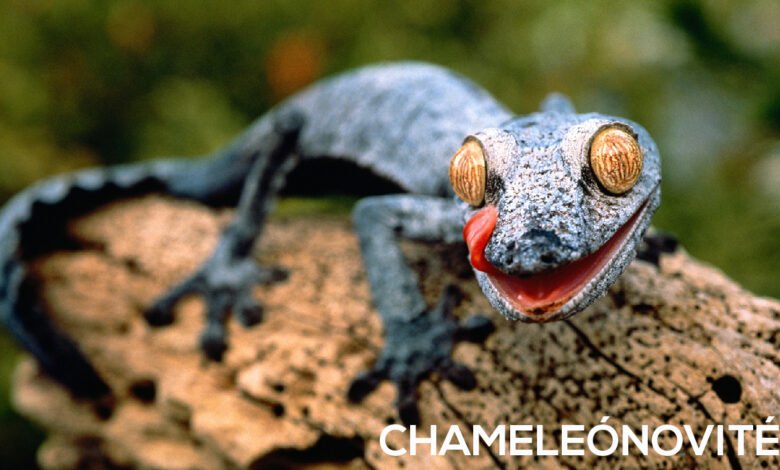
Chameleónovité is the Slovak term for the reptile family Chamaeleonidae, a group of over 200 species of highly specialized lizards known for their color-changing ability, independently moving eyes, and projectile tongues. These reptiles belong to the order Squamata, the same large reptile group that includes snakes and most lizards. Scientifically classified within the class Reptilia and phylum Chordata, chameleons are considered Old World lizards because they are native to Africa, Madagascar, parts of Asia, and southern Europe.
What makes Chameleónovité biologically unique is not just their famous color change, but the complex structure of their skin cells, their 360-degree vision, and their highly advanced hunting mechanism. Nearly half of all known species are found in Madagascar, making the island the global center of chameleon diversity. Their evolutionary journey shows remarkable adaptation to tree-dwelling life, including gripping feet, prehensile tails, and slow, leaf-like movement. Chameleónovité are living examples of evolutionary specialization and ecological balance, playing a vital role in controlling insect populations in their native ecosystems.
Scientific Classification of Chameleónovité
Understanding the scientific classification of Chameleónovité helps explain their place in the animal kingdom and their relationship to other reptiles.
Taxonomy Table of Chameleónovité
| Rank | Classification |
|---|---|
| Kingdom | Animalia |
| Phylum | Chordata |
| Class | Reptilia |
| Order | Squamata |
| Family | Chamaeleonidae |
| Subfamilies | Brookesiinae and Chamaeleoninae |
Order Squamata and Its Importance
Chameleónovité belong to the order Squamata, which is the largest order of reptiles. Squamata includes snakes, geckos, iguanas, skinks, and many other lizards. Members of Squamata are characterized by flexible jaws, movable skull bones, and overlapping scales. Within this order, Chamaeleonidae stands out because of its extreme specialization for arboreal (tree-dwelling) life.
Unlike fast-running desert lizards or burrowing species, Chameleónovité evolved for climbing and gripping branches. Their zygodactyl feet—where toes are fused into two opposing groups—give them a strong grip, making them excellent climbers compared to most other lizards.
Relationship to Other Lizards
Chameleons are considered Old World lizards because they evolved in Africa and surrounding regions. They are closely related to agamid lizards (family Agamidae), such as bearded dragons and frilled lizards. In fact, genetic studies suggest that Chamaeleonidae and Agamidae share a common ancestor.
However, chameleons differ significantly from most other lizards in several ways:
-
Independent eye movement
-
Projectile tongue mechanism
-
Prehensile tail (in most species)
-
Complex color-changing skin structures
These features are not found together in any other reptile group.
True Chameleons vs Other Color-Changing Reptiles
Many reptiles can change color slightly, including anoles and some geckos. However, true chameleons (family Chamaeleonidae) have a far more advanced system. Their color change is not only due to pigments but also due to microscopic crystal structures in specialized cells called iridophores. These nanocrystals reflect light differently depending on how they are arranged, allowing dramatic color shifts.
Other lizards mainly change brightness or shade, while Chameleónovité can shift across a wide range of colors, including greens, blues, yellows, reds, and even patterned combinations. This makes true chameleons biologically distinct from other color-changing reptiles.
Evolution and Fossil History of Chameleónovité
The evolutionary story of Chameleónovité is both ancient and fascinating. Scientists believe that chameleons first appeared during the Paleocene epoch, around 60–65 million years ago, shortly after the extinction of the dinosaurs.
African Origin Theory
Most evidence supports the theory that Chameleónovité originated in Africa. Fossil records and genetic studies indicate that early ancestors of chameleons evolved on the African continent before spreading to Madagascar and parts of Asia and Europe.
Africa’s warm climate and forested environments provided ideal conditions for early chameleons to develop arboreal adaptations. Over millions of years, these reptiles became increasingly specialized for tree-dwelling life.
Madagascar Radiation
Madagascar is often considered the evolutionary hotspot of Chameleónovité. Nearly half of all chameleon species live only on this island. Scientists believe that ancestral chameleons reached Madagascar millions of years ago, possibly by floating on vegetation rafts from mainland Africa.
Once isolated on the island, they underwent adaptive radiation—a process where one ancestral species diversifies into many different species to fill various ecological niches. In Madagascar, this resulted in:
-
Giant canopy-dwelling species
-
Tiny leaf-litter species like Brookesia
-
Mountain forest specialists
-
Dry forest and scrubland species
Adaptive radiation allowed Chameleónovité to evolve into forms ranging from matchstick-sized pygmy chameleons to large, heavy-bodied species like Parson’s chameleon.
Fossil Discoveries and Evolutionary Evidence
Chameleon fossils are relatively rare because their small bones do not fossilize easily. However, fossil fragments discovered in Africa and Europe support their ancient lineage. Molecular studies using DNA comparisons have also helped scientists estimate their evolutionary timeline.
These studies reveal that the unique features of Chameleónovité—such as their ballistic tongue and independent eyes—developed gradually over millions of years as survival adaptations in forest environments.
Evolution of Arboreal Specialization
One of the most important evolutionary steps in Chameleónovité history was arboreal specialization. Living in trees required:
-
Strong gripping feet
-
A balancing tail
-
Excellent depth perception
-
Stealth movement
Their slow, rocking walk mimics swaying leaves, helping them avoid detection by predators. Over time, these traits became highly refined, turning Chameleónovité into masters of camouflage and ambush hunting.
Their evolution demonstrates how environmental pressure shapes anatomy, behavior, and survival strategy. Today, chameleons are considered one of the most specialized reptile families in the world, showcasing millions of years of natural selection at work.
Physical Characteristics of Chameleónovité
The physical structure of Chameleónovité is one of the most specialized designs in the reptile world. Every feature—from their skin to their eyes and tail—has evolved to support survival in trees and dense vegetation. Unlike many other lizards, chameleons are slow, precise, and highly adapted to arboreal life. Their anatomy reflects millions of years of evolution shaped by camouflage, stealth hunting, and environmental sensitivity. Below, we explore the key physical traits that make Chameleónovité truly unique.
Color-Changing Mechanism (Chromatophores & Iridophores)
The color-changing ability of Chameleónovité is one of the most advanced biological systems found in reptiles. This process is controlled by specialized skin layers made up of pigment cells and light-reflecting structures.
Pigment Cells
Chameleon skin contains layers of cells called chromatophores. These cells hold pigments of different colors, such as yellow, red, and brown. The upper layers contain xanthophores (yellow pigments) and erythrophores (red pigments), while deeper layers contain melanophores, which hold dark pigments like black and brown. By expanding or contracting these pigment cells, chameleons can alter their skin shade.
However, pigment movement alone does not explain the dramatic color shifts seen in Chameleónovité.
Nanocrystal Lattice Reflection
Beneath the pigment layers are specialized cells called iridophores. These cells contain microscopic guanine nanocrystals arranged in a lattice structure. When a chameleon changes mood or temperature, it adjusts the spacing between these crystals. This changes how light reflects off the skin, producing different visible colors—especially blues and greens.
This nanocrystal reflection system allows Chameleónovité to shift between calm green tones and intense display colors like bright red, yellow, or electric blue.
Communication vs Camouflage
While many believe chameleons change color mainly for camouflage, communication is actually the primary reason. Bright colors often signal dominance, mating readiness, or aggression. For example, a male may display vivid patterns to intimidate a rival or attract a female.
Camouflage is still important, especially when avoiding predators, but it is only one part of the color-changing function.
Thermal Regulation
Chameleons are ectothermic (cold-blooded), meaning they depend on external heat sources. Darker colors absorb more sunlight, helping them warm up. Lighter colors reflect sunlight, helping them cool down. This thermal regulation function is essential for maintaining proper body temperature in changing environments.
Independent Eye Movement & 360° Vision
One of the most remarkable features of Chameleónovité is their eye structure. Each eye moves independently, allowing them to scan two different areas at the same time.
Monocular Scanning
Each eye rotates in almost all directions without affecting the other. This gives chameleons nearly 360-degree vision around their body. They can watch for predators behind them while simultaneously searching for prey in front.
This monocular scanning ability reduces the need for body movement, which helps them stay hidden.
Depth Perception Synchronization
When a chameleon spots prey, both eyes lock onto the same target. This synchronization provides binocular vision and accurate depth perception. This is crucial for judging the exact distance before launching their tongue.
The switch from independent scanning to synchronized focus happens instantly and shows advanced visual processing.
UV Vision Capability
Some species of Chameleónovité can see ultraviolet (UV) light. UV vision may help them detect prey or recognize subtle color patterns on other chameleons during mating displays. This expanded visual spectrum gives them an additional advantage in communication and hunting.
Projectile Tongue Mechanics
The tongue of Chameleónovité is a powerful hunting tool and one of the fastest-moving biological structures relative to body size in the animal kingdom.
Elastic Recoil Mechanism
Unlike muscles alone powering the movement, chameleons use an elastic recoil system. The tongue is wrapped around a bone called the hyoid apparatus. Muscles preload elastic collagen tissues with energy, similar to stretching a rubber band. When released, this stored energy propels the tongue forward at incredible speed.
Acceleration Speed
The tongue can extend up to twice the length of the chameleon’s body in less than a second. Studies show that smaller species can accelerate their tongues faster than larger species, reaching extreme levels of acceleration compared to other vertebrates.
This rapid strike gives insects almost no time to escape.
Prey Capture Efficiency
The tip of the tongue contains sticky mucus and suction-like structures that firmly attach to prey. Once contact is made, the tongue retracts quickly, pulling the prey into the mouth. This system allows Chameleónovité to capture insects from a safe distance without moving their body.
Zygodactyl Feet & Prehensile Tail
Chameleons are primarily arboreal, meaning they live in trees. Their feet and tail are specially adapted for gripping branches securely.
Arboreal Adaptation
Their feet are described as zygodactyl. On each foot, toes are fused into two groups—two toes on one side and three on the other (or vice versa). This forms a strong clamp-like grip around branches.
This design is ideal for climbing thin branches in forests and shrubs.
Grip Mechanics
The opposing toe groups work like pincers, allowing chameleons to hold branches tightly even in windy conditions. Their claws add extra stability, preventing slipping.
Balance Function
Most Chameleónovité species also have a prehensile tail, meaning it can grasp objects. The tail acts like a fifth limb, helping with balance and stability when moving slowly across branches. When resting, they often wrap their tail around a branch for added support.
Skull Structure & Casque Development
The skull of Chameleónovité is lightweight but uniquely shaped. Some species develop a raised crest or helmet-like structure called a casque.
Veiled Chameleon Casque
In species like the veiled chameleon (Chamaeleo calyptratus), the casque is tall and prominent. It may help in species recognition, sexual display, or even channeling water droplets toward the mouth during rain.
The casque also makes the animal appear larger during confrontations.
Sexual Dimorphism
Many species show sexual dimorphism, meaning males and females look different. Males are often:
-
Larger in size
-
More brightly colored
-
Equipped with horns or larger casques
Females are usually smaller and display more muted colors, except when signaling reproductive readiness or stress.
Geographic Distribution of Chameleónovité
Chameleónovité are found mainly in the Old World, especially across Africa and nearby regions. If we imagine a world map, their distribution forms a wide arc: starting in Madagascar, spreading across sub-Saharan Africa, extending into the Arabian Peninsula, reaching parts of southern Europe (Spain and Portugal), and continuing eastward into India and Sri Lanka.
Madagascar (90+ Species)
Madagascar is the global center of chameleon diversity. More than 90 species live there, and many exist nowhere else on Earth. This high number is due to long geographic isolation. When ancestral chameleons reached Madagascar millions of years ago, they evolved separately from mainland species. Over time, they adapted to different forests, mountains, and dry areas, creating a wide range of unique forms.
This is called endemism, meaning species are native to and restricted to a specific place. Madagascar’s isolation allowed Chameleónovité to diversify through adaptive radiation, producing giant canopy species, tiny leaf-litter dwellers, and colorful forest specialists.
Sub-Saharan Africa
Mainland Africa hosts a large number of chameleon species, particularly in East Africa and Central Africa. These species live in forests, savannas, and mountainous regions. Countries like Tanzania, Kenya, and Cameroon are known hotspots for chameleon diversity.
Arabian Peninsula
Certain species, such as the veiled chameleon, naturally occur in Yemen and Saudi Arabia. These chameleons have adapted to drier climates compared to tropical forest species.
Southern Europe (Spain & Portugal)
The common chameleon can be found in parts of Spain and Portugal. These European populations are rare and protected, living mostly in coastal shrublands and Mediterranean habitats.
India & Sri Lanka
Some species extend into India and Sri Lanka, especially in forested regions. These species show similar arboreal adaptations but are less diverse compared to African populations.
Habitat Specialization
Different species of Chameleónovité have evolved to specialize in specific habitats. Some live only in rainforests, others in dry scrublands, and some in mountain forests. This specialization reduces competition and allows multiple species to coexist in the same geographic region.
Natural Habitats of Chameleónovité
Chameleónovité occupy a variety of biomes, each requiring different survival strategies.
Tropical Rainforests
These forests provide dense vegetation, high humidity, and abundant insect prey. Many colorful species, especially in Madagascar, thrive in these environments.
Montane Forests
Mountain forests are cooler and often foggy. Some chameleons adapt to lower temperatures and higher altitudes, developing thicker skin and slower metabolism.
Savannas
Savanna species live in scattered trees and grasslands. They must tolerate higher temperatures and more open exposure.
Shrublands
Mediterranean and semi-arid shrublands provide bushes rather than tall trees. European chameleons often inhabit these areas.
Semi-Deserts
Some species survive in dry climates by conserving water and using lighter coloration to reflect heat.
Arboreal vs Terrestrial Species
Most Chameleónovité are arboreal (tree-dwelling). However, some pygmy species live on the ground among leaf litter. Arboreal species have stronger tails and gripping feet, while terrestrial species are smaller and better camouflaged for ground life.
Microhabitat Selection
Chameleons often choose very specific microhabitats, such as a certain tree height or branch thickness. This reduces direct competition with other chameleons.
Vertical Niche Specialization
In forests, different species may occupy different vertical levels—some high in the canopy, others in mid-level shrubs, and some near the ground. This vertical separation allows many species to share the same forest.
Behavior and Communication in Chameleónovité
Chameleons are mostly solitary animals and communicate mainly through color and posture.
Territorial Behavior
Male chameleons are strongly territorial. When another male enters their space, they display dominance.
Male Dominance Displays
Males inflate their bodies, raise their crests, and show bright colors to appear larger.
Color Aggression
Bright contrasting colors signal aggression. If neither male backs down, physical confrontation may occur.
Mating Rituals
Reproduction involves visual communication.
Courtship Coloration
Males display vibrant colors to attract females. Females respond with specific patterns to indicate acceptance or rejection.
Body Inflation
Males may puff up their bodies and sway to demonstrate strength and fitness.
Defensive Behavior
When threatened, Chameleónovité use several strategies.
Hissing
They produce a hissing sound to scare predators.
Puffing Body
Inflating the body makes them appear larger.
Camouflage Freeze Response
They may remain completely still, blending into leaves to avoid detection.
Hunting Strategy
Chameleons are ambush predators.
Sit-and-Wait Predation
They remain motionless for long periods, watching for prey.
Slow Motion Leaf Mimicry
Their swaying movement imitates leaves in the wind, helping them remain unnoticed.
Diet and Feeding Ecology
Chameleónovité are primarily insectivorous. They eat crickets, grasshoppers, flies, and other insects. Larger species may occasionally eat small birds or reptiles.
They require proper calcium and vitamin intake for bone health. In the wild, they obtain nutrients from a varied insect diet.
Ecologically, they play an important role in controlling insect populations, helping maintain balance in ecosystems.
Reproduction and Life Cycle of Chameleónovité
Oviparous vs Ovoviviparous Species
Most species are oviparous (egg-laying). Females dig holes in soil to deposit eggs.
Some species, like Jackson’s chameleon, are ovoviviparous (live-bearing), meaning eggs hatch inside the mother’s body.
Egg Incubation
Incubation time depends on temperature and humidity. Warmer temperatures may shorten incubation. Clutch sizes vary from a few eggs to over 50, depending on species.
Hatchling Survival
Chameleon hatchlings receive no parental care. They are fully independent at birth and must immediately begin hunting small insects.
Most Famous Species of Chameleónovité
Panther Chameleon (Furcifer pardalis)
-
Size: Up to 20 inches
-
Habitat: Madagascar rainforests
-
Unique Traits: Bright regional color variations
-
Conservation: Some populations threatened by habitat loss
Veiled Chameleon (Chamaeleo calyptratus)
-
Size: Up to 24 inches
-
Habitat: Yemen & Saudi Arabia
-
Unique Traits: Tall casque
-
Conservation: Stable but affected by trade
Jackson’s Chameleon (Trioceros jacksonii)
-
Size: Around 14 inches
-
Habitat: East Africa
-
Unique Traits: Three horns
-
Conservation: Introduced populations exist
Parson’s Chameleon (Calumma parsonii)
-
Size: One of the largest species
-
Habitat: Madagascar forests
-
Unique Traits: Massive body size
-
Conservation: Vulnerable
Pygmy Chameleons (Brookesia spp.)
-
Size: Some under 2 inches
-
Habitat: Leaf litter in Madagascar
-
Unique Traits: Extremely small
-
Conservation: Many species are endangered
Conservation Status of Chameleónovité
Many species are listed on the IUCN Red List as vulnerable or endangered. Major threats include:
-
Habitat destruction
-
Climate change
-
Illegal pet trade
Madagascar faces severe deforestation, reducing forest habitats. CITES regulations control international trade, but illegal collection still occurs.
Without conservation efforts, some species face extinction risk.
Ecological Importance of Chameleónovité
Chameleons help regulate insect populations, preventing overpopulation. They also serve as prey for birds and snakes, contributing to the food web. Because they are sensitive to environmental changes, they act as indicator species for ecosystem health.
Chameleónovité in the Exotic Pet Trade
Popular Pet Species
Veiled and Panther chameleons are common in captivity.
Legal Regulations
Trade is regulated by CITES to prevent overcollection.
Ethical Breeding vs Wild Capture
Captive breeding reduces pressure on wild populations. Chameleons are stress-sensitive and require proper veterinary care.
Complete Care Guide for Pet Chameleónovité
Enclosure Requirements
Tall, vertical cages with strong ventilation are essential.
Lighting (UVB)
UVB light supports calcium metabolism.
Temperature Gradient
Daytime warmth and cooler nighttime temperatures are required.
Humidity Control
Regular misting maintains proper hydration.
Hydration Systems
Drip systems mimic natural water droplets.
Diet & Supplementation
Insects dusted with calcium and vitamins are necessary.
Common Diseases in Chameleónovité
-
Metabolic bone disease
-
Dehydration
-
Respiratory infections
-
Parasites
Proper care reduces these risks.
Myths and Misconceptions About Chameleónovité
-
They do not change color to match every object.
-
They cannot change color on command.
-
They are not easy beginner pets.
-
Not all species live in Madagascar.
Chameleónovité in Culture and Symbolism
Chameleons symbolize adaptability and transformation. In philosophy, they represent flexibility and awareness. They appear in art, literature, and media as symbols of change.
Future of Chameleónovité (2026–2035 Outlook)
Climate models predict habitat shifts due to warming temperatures. AI-assisted wildlife tracking may help monitor populations. Genetic research may assist conservation programs. Advanced conservation technology is becoming critical for species protection.
Why Chameleónovité Are Evolutionary Marvels
Chameleónovité are nearly perfect arboreal predators. Their adaptive specialization—from gripping feet to ballistic tongues—shows precise evolutionary design. Their optical engineering and nanostructure color physics represent one of nature’s most advanced biological systems.
They are not just color-changing lizards; they are living examples of evolutionary refinement.
Final Thoughts
Chameleónovité are among the most specialized reptile families on Earth. From Madagascar’s forests to African savannas, they demonstrate how evolution shapes anatomy, behavior, and survival strategies. Protecting them means protecting the ecosystems they inhabit. Their future depends on conservation, research, and responsible human interaction.
FAQs About Chameleónovité
1. What does Chameleónovité mean?
Chameleónovité is the Slovak term for the reptile family Chamaeleonidae, which includes over 200 species of chameleons. These lizards are known for their color-changing ability, independently moving eyes, and long projectile tongues. They mainly live in Africa, Madagascar, and parts of Asia and Europe.
2. Why do Chameleónovité change color?
Chameleónovité change color mainly for communication, not just camouflage. They use color shifts to show mood, attract mates, display dominance, and regulate body temperature. Their skin contains special cells called chromatophores and iridophores that reflect light and adjust pigmentation.
3. Where do most Chameleónovité species live?
Most Chameleónovité species live in Madagascar, which is home to more than 90 different species. They are also found in sub-Saharan Africa, the Arabian Peninsula, southern Europe, India, and Sri Lanka. Madagascar is the global center of chameleon diversity.
4. Are Chameleónovité endangered?
Many Chameleónovité species are threatened due to habitat destruction, climate change, and illegal pet trade. Several species are listed on the IUCN Red List as vulnerable or endangered. Conservation programs and CITES regulations help protect them.
5. What makes Chameleónovité different from other lizards?
Chameleónovité are different from other lizards because they have independently moving eyes, a long projectile tongue, zygodactyl gripping feet, and advanced color-changing skin. These adaptations make them highly specialized tree-dwelling predators.